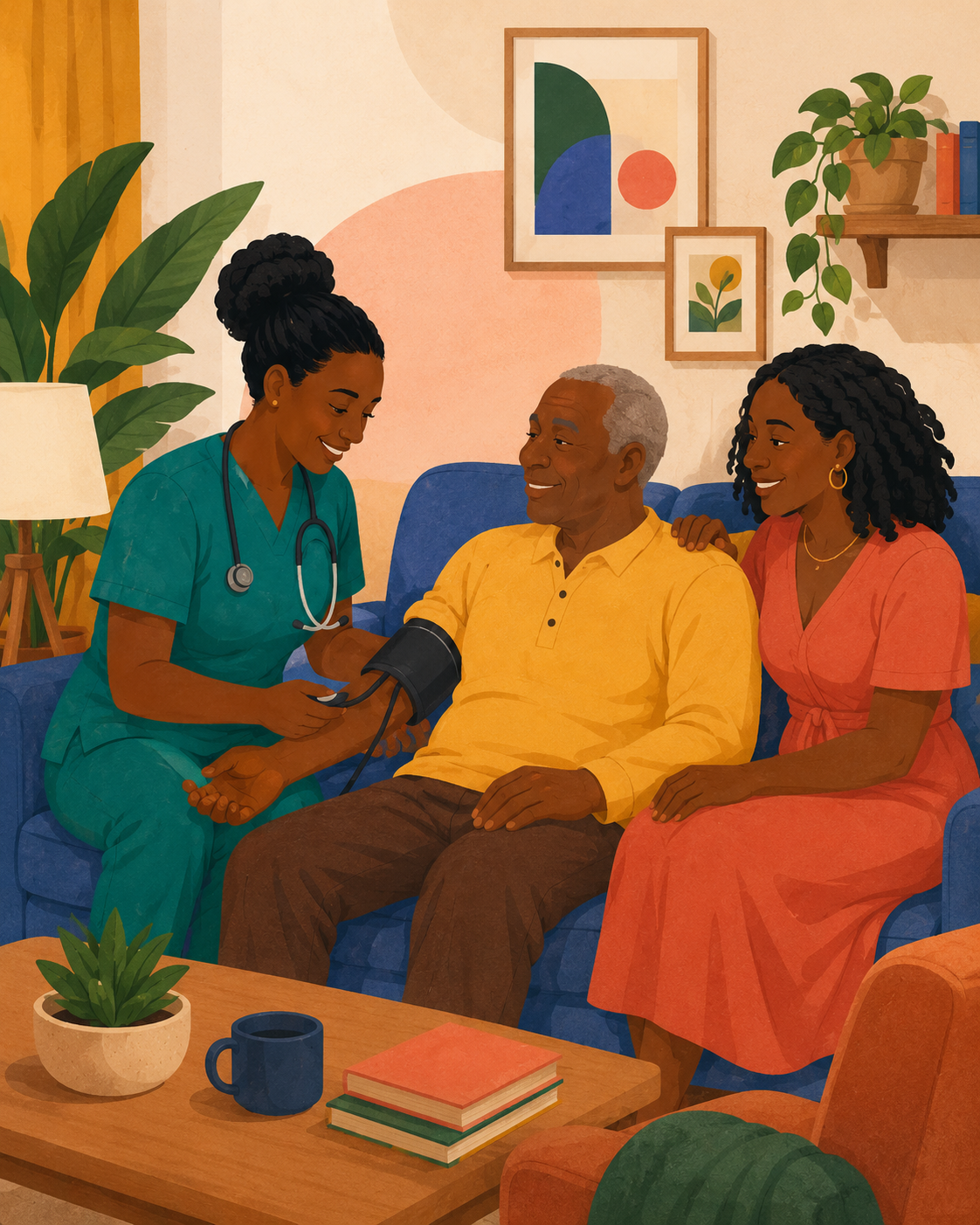

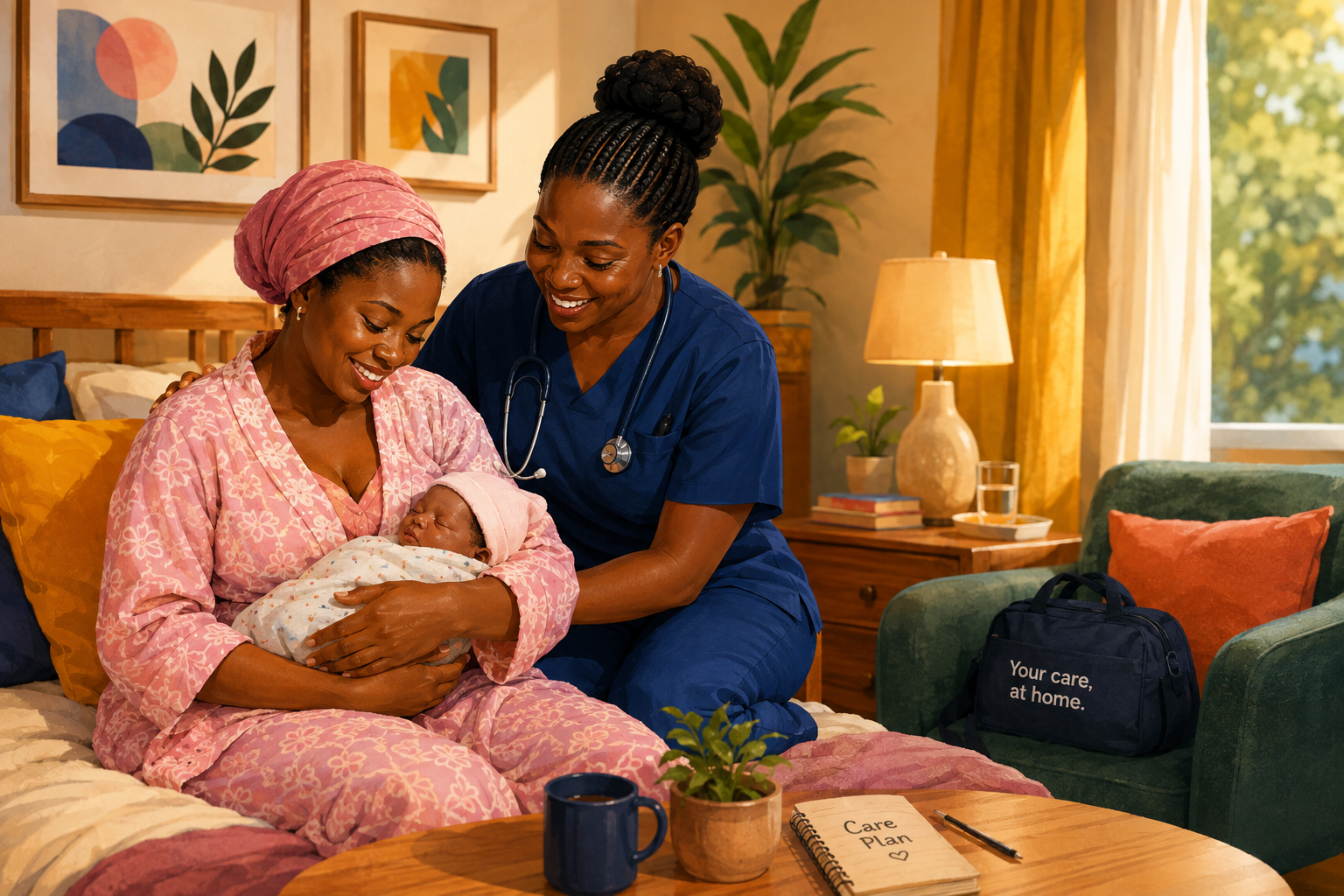
When your child is unwell, leaving the hospital does not always mean that the need for care has ended.
Some children go home with medications, feeding plans, medical equipment, or other health needs that still require close attention. Others live with chronic or complex conditions that make everyday care more demanding for their families.
This is where paediatric home nursing can help.
A paediatric nurse can provide skilled nursing care in the home, following an agreed care plan and, where necessary, working alongside the child's paediatrician and other healthcare professionals. But not every child who needs help at home needs a nurse. Understanding the difference is important.
When might your child need a paediatric nurse?
The need for home nursing depends on your child's condition and the level of clinical care they require.
For example, a child who has recently been discharged from hospital may need help continuing their treatment at home. This could include medication management, wound care, monitoring, or support with feeding.
Children living with chronic or medically complex conditions may also benefit from home nursing. This can include children with neurological, cardiac or respiratory conditions, cancer, or other conditions requiring regular clinical attention.
Some children may also need support with medical equipment such as feeding tubes or oxygen. Premature babies may require closer monitoring after discharge, depending on their medical history and the care plan provided by their healthcare team.
The important thing to remember is that a diagnosis alone does not automatically mean your child needs a nurse. The right level of support should be based on the child's actual needs.
What does a paediatric nurse actually do?
A paediatric nurse is not simply a babysitter with a uniform.
Depending on the child's needs, their responsibilities may include monitoring and recording vital signs, administering prescribed medication, supporting feeding plans, providing wound or stoma care and assisting with other clinical needs.
For children with more complex needs, this may include supporting care involving feeding tubes, oxygen or other medical equipment prescribed as part of their treatment.
A nurse can also help parents recognise changes in their child's condition that may need to be discussed with the child's doctor. And sometimes, having a trained professional around simply makes the daily routine more manageable.
When you are juggling medications, appointments, feeding schedules, and everything else that comes with caring for a child, having someone who understands the clinical side of things can take some of the pressure off.
What happens after hospital discharge?
Going home after a hospital admission can be a big adjustment, particularly when your child still needs treatment or monitoring.
Before discharge, families should understand the medication schedule, feeding requirements, equipment, follow-up appointments, and warning signs that require medical attention. For children with complex medical needs, proper discharge planning and caregiver education are important parts of making the transition home safely.
A paediatric nurse may be part of that support, either for a short period while the family adjusts or as part of longer-term care. The number of hours or days required will depend on the child's needs. There is no one-size-fits-all arrangement.
What if my child has special needs?
A child with developmental or special needs does not automatically require a paediatric nurse either. Some children may benefit more from a trained caregiver, therapist or developmental support. Others may have additional medical needs that make nursing care appropriate.
For example, a child who needs assistance with medication, feeding equipment, respiratory support or regular clinical monitoring may require a nurse alongside other forms of support. This is why an assessment is important. You should not have to pay for a level of care your child does not actually need.
How do you choose the right provider?
Who you invite into your home to care for your child matters.
Ask about the caregiver's qualifications, paediatric experience, and the systems the agency has in place to supervise their work. If your child has complex needs, ask specifically about experience with that condition or type of care. General nursing experience does not necessarily mean someone has experience managing a particular medical device or paediatric condition.
You should also know who you can contact if something changes. What happens if the nurse is unavailable? Who supervises the care? How are emergencies handled? How are updates communicated to you and your child's healthcare team?
In Lagos, it is also worth checking that the provider operates within the relevant regulatory requirements. HEFAMAA oversees the registration and monitoring of health facilities in the state, including home care services.
What if I live abroad?
For parents and family members living outside Nigeria, arranging care for a child in Lagos can be particularly stressful. You may be coordinating care across time zones while relying on relatives to manage things locally. In this situation, communication becomes especially important.
Before arranging care, make sure you understand who is providing the service, what the care plan involves, and how updates will reach you. Regular reports can help you stay informed, but they should not replace communication with your child's doctor when there is a medical concern.
The right support depends on your child
A paediatric nurse at home can be incredibly useful for a child who needs skilled clinical care beyond what a parent or ordinary childcare provider can reasonably manage.
But not every child needs one. Some families may need short-term support after hospital discharge. Others may need ongoing nursing as part of a wider care plan. In some cases, a trained caregiver or therapist may be the better option. The goal should always be to match the right person to the child's actual needs.
At Medic Connect, we assess each child's situation before recommending home care support. Where paediatric nursing is appropriate, we help families arrange professional care that fits into the child's existing healthcare plan.
The goal is not simply to have someone in your home. It is to make sure your child has the right support, from the right person, when they need it.