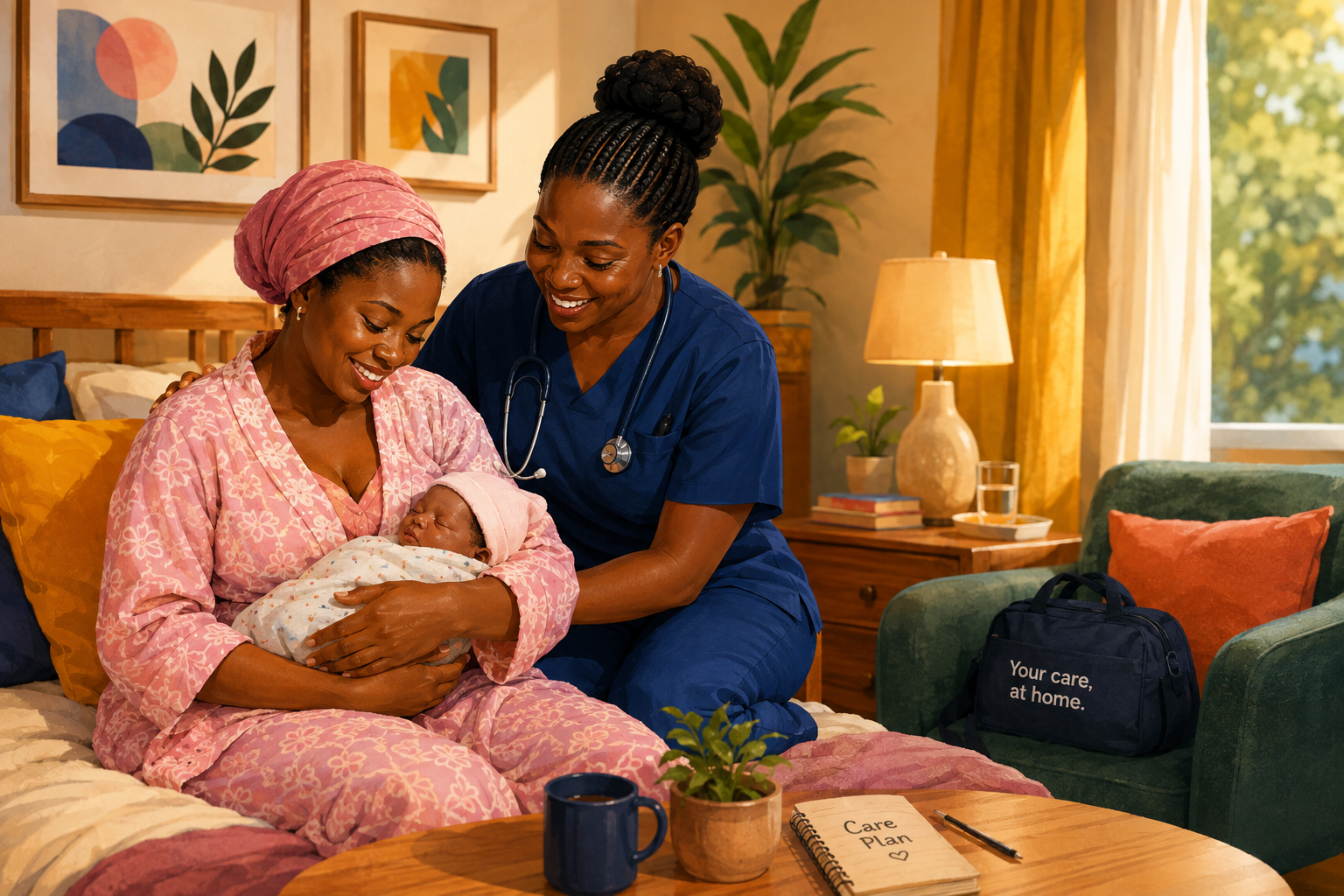

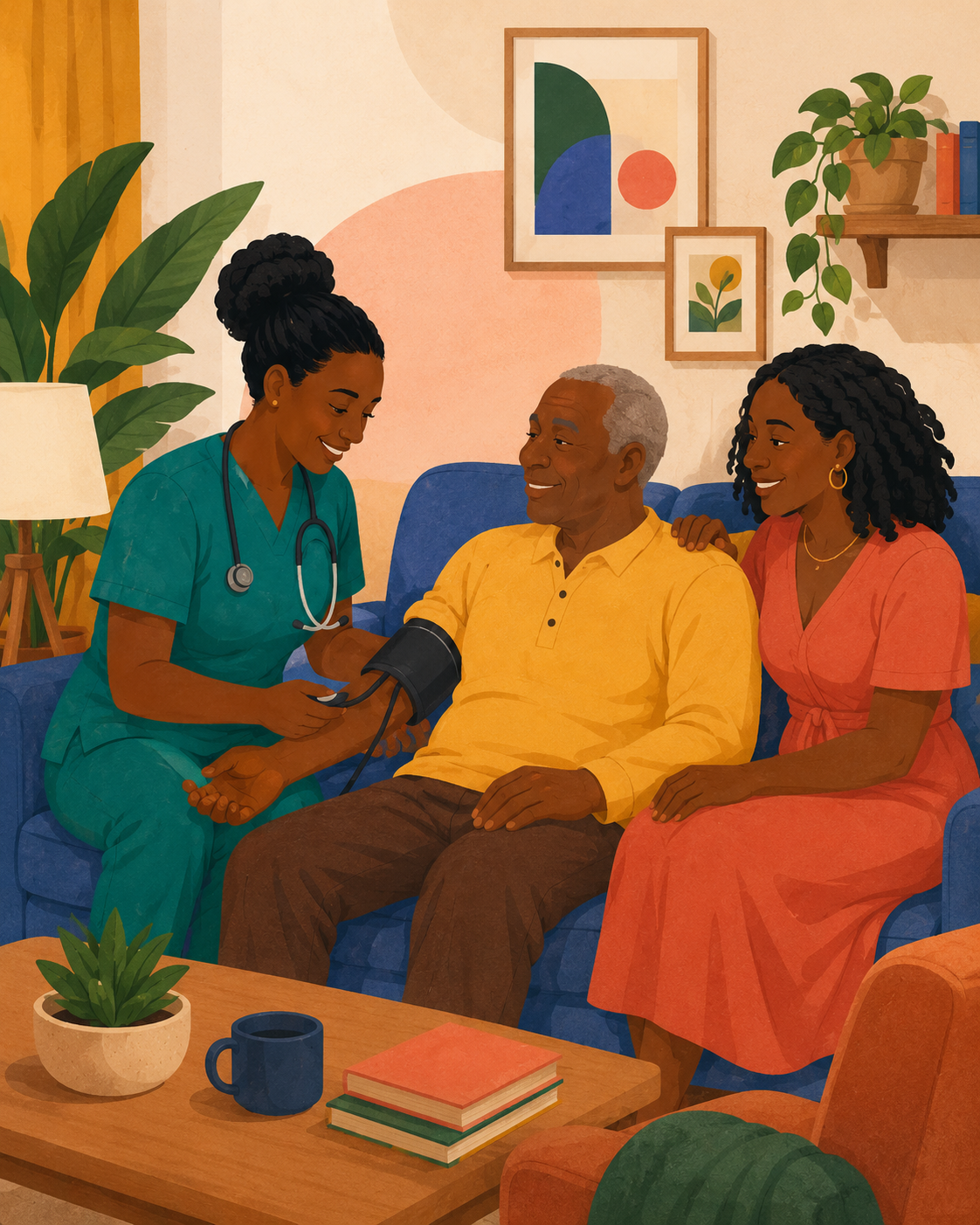
For many patients and their families, hospital discharge feels like the finish line. After days or weeks of treatment, tests, procedures, and medical supervision, being told that it is time to go home is reassuring. It means the patient is stable enough to leave the hospital and continue recovering outside it. But being well enough to leave the hospital does not necessarily mean that recovery is complete.
The days and weeks that follow can still require considerable care, particularly after surgery, serious illness, injury, or a prolonged hospital stay.\\ Medications must be taken correctly, wounds may need attention, mobility may still be limited, and new symptoms may need monitoring. The difference is that much of this now happens at home, where there may be far less clinical supervision.
This is why what happens after hospital discharge deserves as much attention as the discharge itself.
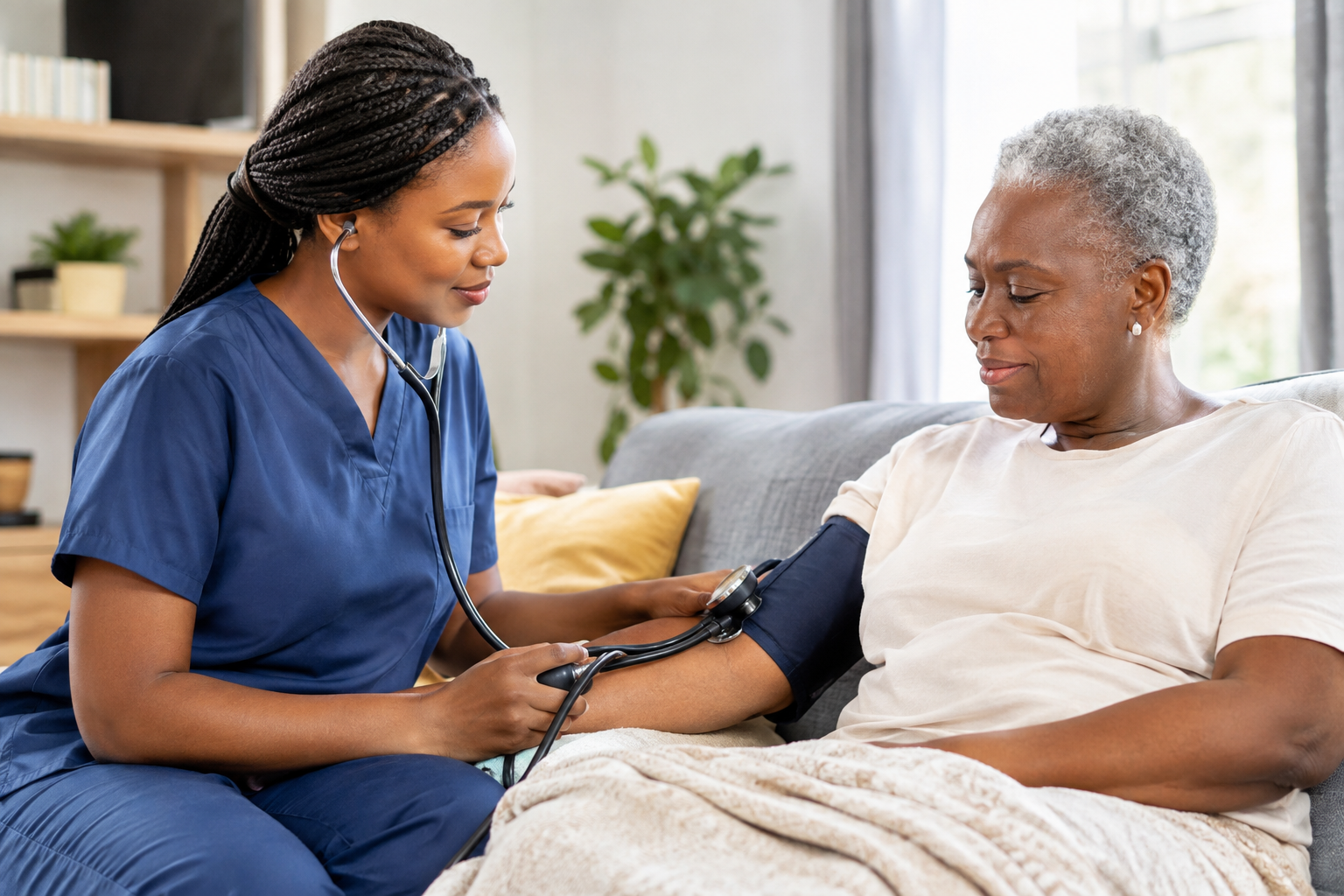
The complicated transition from hospital to home
A hospital is designed around patient care. Nurses check vital signs, medications are administered on schedule, doctors review changes in condition, and other healthcare professionals are available when something goes wrong.
Home is very different.
A family member may suddenly find themselves responsible for helping a patient move around, remembering several medications, preparing meals, changing dressings, or deciding whether a new symptom is part of normal recovery. They may be caring for someone they love without necessarily having the clinical knowledge to know what is expected and what is a warning sign.
This does not mean families are incapable of providing good care. In fact, family support is an important part of recovery. The challenge is that being available to care for someone and being trained to provide clinical care are not the same thing.
Research increasingly supports the importance of this transition. A 2025 study looking at hospital-to-home discharge interventions found that structured support around discharge was associated with fewer unplanned hospital readmissions. The interventions varied, but some included follow-up telephone calls, hospital visits, and continued communication between healthcare professionals, patients, and families.
The message is fairly simple: discharge should be viewed as a transition in care, rather than the point at which care stops.
Small problems can become bigger problems at home
One of the reasons post-hospital care matters is that problems that seem minor at first can sometimes develop into something more serious.
A patient may start missing doses of medication because the schedule is confusing. Someone recovering from surgery may notice that a wound looks different but may not know whether the change is normal. An older person may become increasingly weak or unsteady. A patient who was eating and drinking well in hospital may struggle to maintain adequate nutrition and hydration at home.
None of these situations automatically means that a patient needs to return to hospital. But they do raise an important question: is someone paying attention to the patient's recovery closely enough to recognise when something has changed?
Medication is a particularly important example.
In one study examining 1,111 hospital readmissions, 16% were found to be related to medication. Of these medication-related readmissions, 40% were considered potentially preventable. The problems included prescribing errors, patients not taking medicines as intended, and errors during the transition between hospital and home.
The study was conducted in a teaching hospital in the Netherlands, so the exact figures should not be assumed to represent every country or healthcare system. However, it illustrates a broader problem that can occur anywhere: what happens with a patient's medicines after discharge can have a direct effect on their recovery.
Good discharge planning can make a measurable difference
Post-discharge care is not simply about having someone sit beside a patient at home. Good care begins with making sure the patient and family understand what is supposed to happen after they leave the hospital.
This includes understanding the medication plan, knowing which symptoms require attention, keeping follow-up appointments, and having a clear idea of who to contact if something changes.
Research has found that improving communication at discharge can make a measurable difference. A 2021 review looked at 60 clinical trials involving more than 16,000 patients. In the 19 trials that provided data on readmissions, 9.1% of patients who received improved discharge communication were readmitted within 30 days, compared with 13.5% of those receiving usual care. Patients who received the communication interventions were also more likely to follow their treatment plans.
That difference is important because discharge communication is relatively simple compared with the treatment that brought the patient into hospital in the first place.
A patient does not only need to know that they can go home. They need to understand how to recover safely once they get there.
Where professional home care fits in
Not every patient needs professional home care after leaving hospital. Someone who has had a straightforward procedure and has a strong support system at home may recover perfectly well with routine follow-up.
Other patients need more.
A person recovering from major surgery may need help with wound care and mobility. Someone managing a chronic condition may need assistance keeping track of medications and symptoms. A patient who is frail or has limited mobility may need help with personal care while they regain their independence.
This is where professional home care can complement the support already provided by family members.
Depending on the patient's needs and care plan, professional support at home may include monitoring vital signs, supporting medication routines, providing appropriate wound care, assisting with mobility and personal care, supporting nutrition and hydration, and observing for changes that may need to be escalated to a doctor or hospital.
The purpose is not to replace the patient's doctor or hospital team. It is to provide continuity between the treatment received in hospital and the recovery that happens at home.
That continuity can be particularly valuable for families who are not able to provide care themselves. In Nigeria, this can include families whose children or relatives live in another city or abroad and cannot be physically present every day. They may still want to make sure that a parent, spouse, or other family member has appropriate support during recovery.
Recovery is not always a straight line
There is also a tendency to think of recovery as a simple sequence: the patient becomes sick, receives treatment, gets discharged, and gets better.
Real recovery is rarely that neat.
Some days will be better than others. A patient may regain strength gradually. Pain may fluctuate. Mobility may improve slowly. There may be setbacks that need attention without necessarily requiring another hospital admission.
This is why observation matters.
Good post-hospital care is not about assuming that every change is an emergency. It is about recognising what is normal for that particular patient, noticing when something is different and knowing when professional advice is needed.
For families, this can provide something equally important: reassurance. Knowing that someone with the appropriate training is paying attention to a patient's recovery can reduce some of the uncertainty that comes with caring for someone after hospitalisation.
The question should not stop at "Can they go home?"
Hospital discharge is an important milestone, but it should also prompt another question: what will this patient need once they get home?
For some people, the answer may simply be rest, medication and a scheduled follow-up appointment. For others, it may involve several weeks of nursing support, rehabilitation, personal care or close monitoring.
The right level of support will depend on the patient's condition, their treatment, their home environment and the instructions provided by their healthcare team.
What matters is that these needs are considered before the patient is left to manage recovery alone.
The hospital may be where treatment happens, but home is where much of recovery takes place. Making that transition safer and better supported can help patients, families and healthcare professionals work towards the same goal: a recovery that continues beyond the hospital doors.
At Medic Connect, we provide professional home nursing and care support for patients who need continued assistance after hospital discharge, helping families put the right support in place as their loved ones recover at home.
Sources
- The Effect of Hospital-to-Home Discharge Interventions on Reducing Unplanned Hospital Readmissions: A Systematic Review and Meta-analysis, 2025
- Interventions to Improve Communication at Hospital Discharge and Rates of Readmission: A Systematic Review and Meta-analysis, 2021
- Medication-Related Hospital Readmissions Within 30 Days of Discharge: Prevalence, Preventability, Type of Medication Errors and Risk Factors, 2021